What Are My Rights as a Landlord in Michigan?
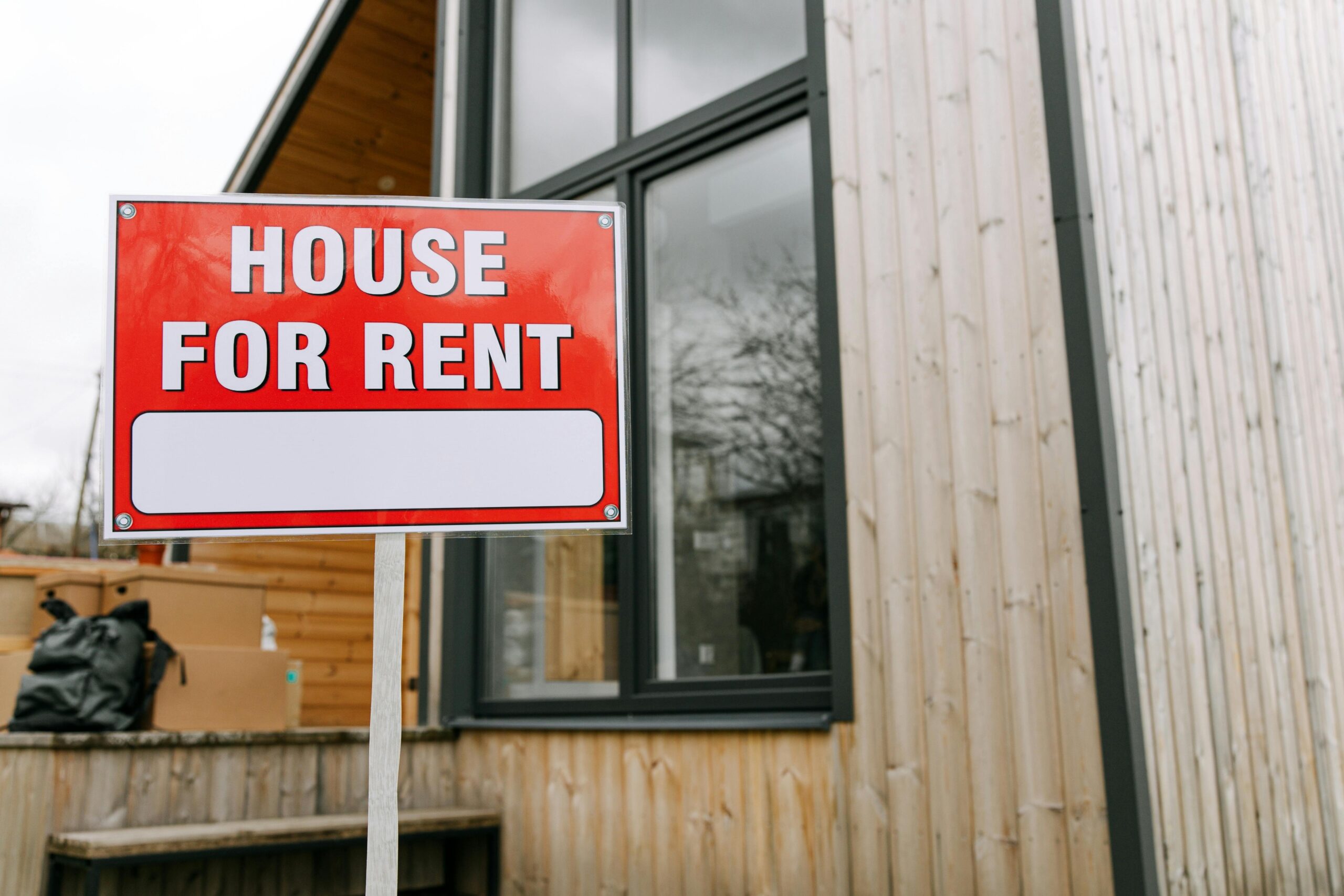
Owning rental property in Michigan can be a rewarding venture, but it comes with its fair share of responsibilities and challenges. As a landlord, you have rights designed to protect your property and ensure a fair relationship with your tenants. Understanding landlord rights in Michigan can save you headaches and legal troubles down the road.
Let’s break it all down in a friendly, helpful way—complete with some real-life tips and stories to help illustrate your rights as a landlord in the Great Lakes State.
The Basics of Landlord Rights in Michigan
Being a landlord means juggling responsibilities like maintaining your property and ensuring tenants follow lease agreements. But just as tenants have rights, so do you. In Michigan, your rights are primarily governed by the Michigan Truth in Renting Act and various housing laws.
1. The Right to Screen Tenants
One of your most important rights as a landlord in Michigan is the ability to screen tenants. You have the right to:
- Run credit and background checks.
- Verify income and employment.
- Check references from past landlords.
Pro Tip: Be consistent in your screening process. Treat every applicant the same to avoid violating the Fair Housing Act, which prohibits discrimination based on race, religion, gender, or other protected characteristics.
When I first started renting out my duplex in Ann Arbor, I skipped a thorough screening on a tenant who “seemed nice.” Big mistake. Late rent and complaints from neighbors followed. After that, I made tenant screening a non-negotiable step.
2. The Right to Collect and Manage Security Deposits
Michigan law allows landlords to collect a security deposit, but there are rules:
- Limit: You can’t charge more than 1.5 times the monthly rent.
- Storage: Deposits must be held in a regulated financial institution.
- Notice: You must inform the tenant in writing where their deposit is held.
At the end of the lease, you have the right to use the deposit to cover unpaid rent or damages beyond normal wear and tear. Just remember to provide an itemized list of deductions and return any remaining balance within 30 days.
3. The Right to Enter the Property
As a landlord, you have the right to access your rental property for legitimate reasons, such as:
- Conducting repairs or maintenance.
- Showing the property to prospective tenants.
- Inspecting for damages.
Michigan Law Tip: You must provide tenants with 24 hours’ notice before entering, except in emergencies.
4. The Right to Evict for Valid Reasons
Eviction is never fun, but Michigan law gives you the right to evict tenants for specific reasons:
- Nonpayment of rent.
- Violating lease terms (e.g., unauthorized pets or illegal activity).
- Remaining on the property after the lease ends.
The eviction process in Michigan requires following strict steps:
- Serve a Notice to Quit (e.g., a 7-day notice for unpaid rent).
- File for eviction with the district court if the tenant doesn’t comply.
- Attend a court hearing, where a judge will decide the case.
- If approved, request a Writ of Eviction to have the tenant removed by law enforcement.
While the process can be time-consuming, it’s essential to follow it to the letter. Michigan courts take tenant rights seriously, and skipping steps can get your case thrown out.
5. The Right to Set Rules in the Lease Agreement
Your lease agreement is your best tool for defining your rights and expectations. In Michigan, you can include rules on:
- Rent payment terms (e.g., due date, late fees).
- Pet policies.
- Maintenance responsibilities (e.g., who handles lawn care).
Just make sure your lease complies with Michigan law. For example, you can’t include clauses waiving your responsibility for repairs or denying a tenant their right to withhold rent for unaddressed habitability issues.
6. The Right to Withhold Rent for Property Damage
If a tenant causes significant damage to your property, you have the right to deduct repair costs from their security deposit or pursue reimbursement through small claims court.
Example: A landlord I know in Detroit had a tenant who left behind thousands of dollars in damages after breaking the lease. The landlord documented everything with photos and receipts, which helped her win her case in court.
Responsibilities Go Hand-in-Hand with Rights
With great power comes great responsibility, right? While you have rights, Michigan law also holds landlords to specific standards. To protect your rights and avoid disputes, make sure you:
- Maintain the property in a habitable condition (e.g., functional plumbing, heating).
- Address repair requests promptly.
- Follow fair housing laws.
How to Handle Tenant Disputes
No matter how prepared you are, disputes can happen. Here’s how to handle them while protecting your landlord rights in Michigan:
Stay Professional
When tensions rise, keep your cool. Being professional can prevent minor issues from escalating.
Document Everything
Keep records of communications, payments, and any incidents. Having a paper trail can save you if disputes go to court.
Know When to Seek Legal Help
If a tenant sues you or refuses to comply with the lease, consult a landlord-tenant attorney who knows Michigan laws inside and out.
Real-Life Success Stories
A landlord I met at a workshop in Lansing once shared how knowing her rights helped her resolve a tricky situation. Her tenant stopped paying rent, claiming the heater was broken. But she had proof that the tenant refused multiple repair appointments. She presented her evidence in court and won the eviction case.
The moral? Knowing your rights and staying organized can make all the difference.
Landlord Rights in Michigan: FAQs
1. Can I Increase Rent Whenever I Want?
No. While you have the right to set rent amounts, you must follow the lease terms for any increases. For month-to-month leases, Michigan law requires at least 30 days’ notice.
2. Can I Refuse to Rent to Someone with Pets?
Yes, unless the pet is a service animal or emotional support animal, which are protected under federal law.
3. What Should I Do If a Tenant Damages the Property?
Document the damage, estimate repair costs, and deduct the amount from the security deposit. If damages exceed the deposit, you may need to pursue legal action.
Conclusion
Being a landlord in Michigan can be challenging, but understanding your rights makes it easier to navigate the ups and downs. From screening tenants to handling evictions, your rights as a landlord are there to protect you and your investment.
The key is knowing the rules, staying organized, and being proactive. Whether it’s a late rent payment or a lease violation, asserting your landlord rights in Michigan ensures that your property—and peace of mind—remain intact.
So, take a deep breath, stay informed!