What Are the Penalties for DWI in New York?
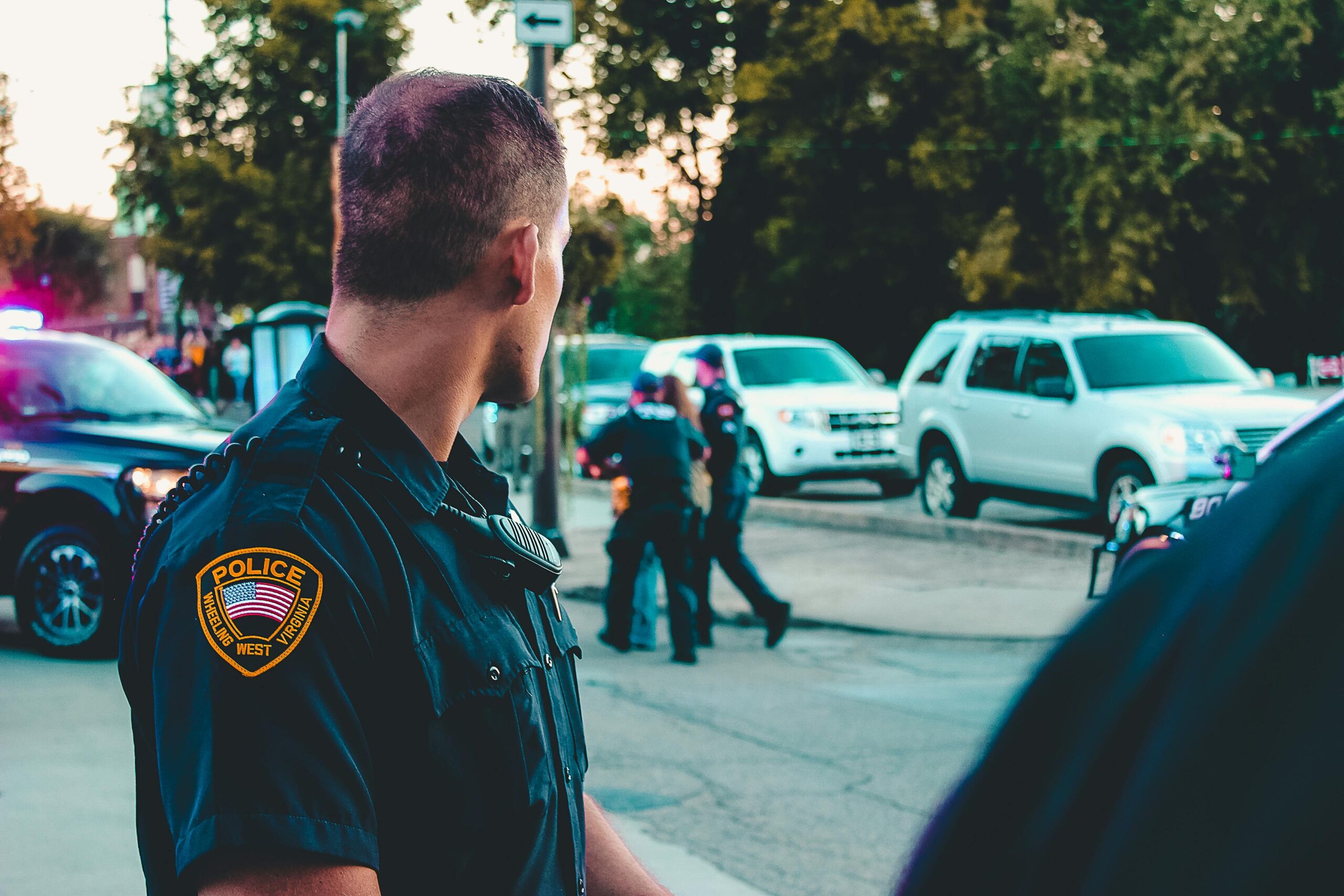
Driving under the influence? It’s not just a whoopsie—it’s a full-on, life-altering, “what was I thinking?” moment.
Behind the wheel while buzzed? You’re not just risking a traffic fine. You’re rolling the dice on lives, yours included.
Let’s break this down so it’s clear as vodka in a shot glass.
Driving While Intoxicated (DWI) is not just a traffic violation; it’s a serious crime with potentially life-altering consequences. Impaired judgment, reduced coordination, and slower reaction times make driving under the influence a dangerous act. Here, we’ll explore the factors that influence impairment, the different types of violations in New York, and the penalties you could face if charged.
What Messes With Your Sobriety Superpowers?
Think you’re fine after “just one drink”? Spoiler: you’re probably not.
Here’s what impacts how buzzed you get:
- How Much You Guzzle: Obvious, but worth repeating. More drinks, more problems.
- Snack Strategy: Food slows the booze train, but it doesn’t stop it.
- Time You’ve Been Boozing: Longer drinking = higher blood alcohol content (BAC).
- Your Size: Smaller bodies get tipsy faster. Big lads might handle a bit more—but don’t test that.
- Biology: Ladies, your body processes alcohol differently. It’s science, not sexism.
Pro Tip: No, coffee won’t sober you up. Neither will a cold shower. Time’s the only real fix, so don’t think you’re outsmarting biology.
Your ability to drive safely diminishes with any amount of alcohol, but the degree of impairment depends on several conditions:
- The Amount of Alcohol You Drink: The more alcohol you consume, the greater your impairment.
- Food Intake: Eating food before or while drinking can slow the absorption of alcohol.
- Drinking Duration: The longer you drink, the more alcohol accumulates in your bloodstream.
- Body Weight: Individuals with lower body weight may feel the effects of alcohol faster.
- Gender: Biological differences mean women generally process alcohol differently than men.
Sobering Up: No Quick Fixes
Contrary to popular belief, there’s no magic cure for intoxication. Only time allows your body to metabolize alcohol—approximately one drink per hour.
Types of Alcohol and Drug-Related Violations in New York
New York State defines several categories of alcohol and drug-related driving violations, each with distinct thresholds and consequences.
Driving While Intoxicated (DWI)
- Definition: A blood alcohol content (BAC) of 0.08% or higher, or other evidence of intoxication.
- Commercial Drivers: The threshold is reduced to 0.04% BAC.
Aggravated Driving While Intoxicated (Aggravated DWI)
- Definition: A BAC of 0.18% or higher.
Driving While Ability Impaired by Alcohol (DWAI/Alcohol)
- Definition: A BAC of more than 0.05% but less than 0.07%, or other evidence of impairment.
Driving While Ability Impaired by a Single Drug Other Than Alcohol (DWAI/Drug)
- Definition: Driving while under the influence of a single drug.
Driving While Ability Impaired by a Combined Influence of Drugs and Alcohol (DWAI/Combination)
- Definition: Impairment from a combination of drugs and alcohol.
Chemical Test Refusal
- Definition: Refusing to take a chemical test, such as breath, blood, or urine tests.
Zero Tolerance Law
- Definition: Drivers under 21 with a BAC of 0.02% to 0.07% violate this law.
Ignition Interlock Device (IID)
- Definition: Drivers convicted of certain alcohol-related offenses may be required to install and maintain an Ignition Interlock Device (IID) in their vehicles. This device prevents the car from starting if alcohol is detected on the driver’s breath.
- Duration: Typically mandated for at least six months, but durations vary depending on the offense.
Penalties for Alcohol and Drug-Related Violations
New York State imposes severe penalties for impaired driving. These include fines, license revocation, and potential jail time. Below is an overview of the penalties for various violations:
| VIOLATION | MANDATORY FINE | MAXIMUM JAIL TERM | MANDATORY DRIVER LICENSE ACTION |
| Aggravated Driving While Intoxicated (AGG DWI) | $1,000 – $2,500 | 1 year | Revoked for at least one year |
| Second AGG DWI in 10 years (E felony) | $1,000 – $5,000 | 4 years | Revoked for at least 18 months |
| Third AGG DWI in 10 years (D felony) | $2,000 – $10,000 | 7 years | Revoked for at least 18 months |
| Driving While Intoxicated (DWI) or Driving While Impaired by a Drug (DWAI-Drug) | $500 – $1,000 | 1 year | Revoked for at least six months |
| Second DWI or DWAI-Drug violation in 10 years (E felony) | $1,000 – $5,000 | 4 years | Revoked for at least one year |
| Third DWI or DWAI-Drug violation in 10 years (D felony) | $2,000 – $10,000 | 7 years | Revoked for at least one year |
| Driving While Ability Impaired by a Combination of Alcohol/Drugs (DWAI-Combination) | $500 – $1,000 | 1 year | Revoked for at least six months |
| Second DWAI-Combination in 10 years (E felony) | $1,000 – $5,000 | 4 years | Revoked for at least one year |
| Third DWAI-Combination in 10 years (D felony) | $2,000 – $10,000 | 7 years | Revoked for at least one year |
| Driving While Ability Impaired by Alcohol (DWAI) | $300 – $500 | 15 days | Suspended for 90 days |
| Second DWAI violation in 5 years | $500 – $750 | 30 days | Revoked for at least six months |
| Third or subsequent DWAI within 10 years (Misdemeanor) | $750 – $1,500 | 180 days | Revoked for at least six months |
| Zero Tolerance Law | $125 civil penalty and $100 fee to terminate suspension | None | Suspended for six months |
| Second Zero Tolerance Law | $125 civil penalty and $100 re-application fee | None | Revoked for one year or until age 21 |
| Chemical Test Refusal | $500 civil penalty ($550 for commercial drivers) | None | Revoked for at least one year, 18 months for commercial drivers. |
| Chemical Test Refusal within five years of a previous DWI-related charge/Chemical Test Refusal | $750 civil penalty | None | Revoked for at least 18 months, one-year or until age 21 for drivers under age 21, permanent CDL revocation for commercial drivers. |
| Chemical Test Refusal – Zero Tolerance Law | $300 civil penalty and $100 re-application fee | None | Revoked for at least one year. |
| Chemical Test Refusal – Second or subsequent Zero Tolerance Law | $750 civil penalty and $100 re-application fee | None | Revoked for at least one year. |
| Driving Under the Influence (Out-of-State) | N/A | N/A | Revoked for at least 90 days. If less than 21 years of age, revoked at least one year. |
| Driving Under the Influence (Out-of State) with any previous alcohol-drug violation | N/A | N/A | Revoked for at least 90 days (longer term with certain prior offenses). If less than 21 years of age, revoked at least one year or until age 21 (longest term). |
Additional Penalties
- A mandatory surcharge and victim assistance fee add $395 for misdemeanors and $520 for felonies. Repeat offenders face permanent license revocation, with limited opportunities for reinstatement after five years.
- Three or more alcohol or drug-related convictions within 10 years can result in felony charges.
How to Avoid These Violations
Prevention is the best approach to avoiding these penalties. Here are some tips:
- Plan Ahead: Use rideshare services or designate a sober driver if you plan to drink.
- Educate Yourself: Understand how alcohol affects your body and decision-making.
- Stay Informed: Familiarize yourself with New York’s DUI laws and penalties.
FAQ Time
Q: Can I just refuse a breath test and walk away?
A: Nope. That’s like skipping the bill at a restaurant—it’s going to end badly.
Q: Does eating a big meal make me safe to drive?
A: Safer? Maybe. Safe? Not a chance.
Q: What if I wasn’t driving, but just sitting in the car?
A: In New York, sitting drunk in a car will not get you charged, just don’t carry any open container or bottle of alcohol along, that will land you in serious trouble.
Q: Can you drink in an Uber in New York?
A: Never bring illegal drugs or open containers of alcohol into a car. And if you have reason to believe your driver may be under the influence of drugs or alcohol, ask the driver to end the trip immediately. Then exit the vehicle and call 911.
Conclusion
Driving under the influence is not just a personal risk; it endangers others on the road. New York’s stringent penalties reflect the seriousness of these violations. If you’re facing charges, consult a legal professional immediately to understand your options and build a defense strategy.